Transforming Light: The Art of Interior Stained Glass in Window Frames
Light is the most transformative element in any living or working space. It dictates mood, influences productivity, and defines the aesthetic character of a room. While modern architecture often favors expansive, clear panes to maximize visibility, there is a timeless allure to filtering that light through color and texture. This is where the concept of Interior Stained Glass in Window Frame becomes not just a decorative choice, but a design strategy. By integrating colored glass into existing or new window structures, homeowners and designers can create privacy, add historical depth, and introduce a dynamic play of color that changes throughout the day.
The resurgence of interest in this craft is not merely about nostalgia. It is about reclaiming the narrative of our interiors. Whether you are restoring a Victorian terrace or adding character to a modern minimalist apartment, understanding how to effectively use stained glass requires a blend of artistic vision and practical knowledge. This article explores the nuances of incorporating these vibrant elements into your home, moving beyond simple decoration to functional art.
The Evolution of Privacy and Aesthetics
Historically, stained glass was the domain of cathedrals and grand public buildings, designed to tell stories to a largely illiterate population through biblical scenes. However, the domestic application of Interior stained glass in window frame has always served a dual purpose: obscuring the view from the outside while inviting beauty from the inside. In urban environments, where houses sit close together, privacy is paramount. Traditional curtains and blinds block light entirely, often making rooms feel smaller and darker. Stained glass offers an elegant solution.
By using textured or colored glass, you diffuse the incoming light. This softens harsh shadows and creates a warm, inviting glow that clear glass simply cannot achieve. The result is a space that feels secluded yet connected to the natural rhythm of the day. For business owners, such as those running boutique cafes or professional studios, this technique can define the brand atmosphere without sacrificing the openness that customers crave.
Key Characteristics of Quality Glasswork
When evaluating options for your project, it is essential to understand what constitutes high-quality work. Not all glass is created equal, and the method of installation matters significantly. Here are the primary features to consider:
- Authenticity of Material: True stained glass involves pieces of colored glass joined by lead cames or copper foil. Modern alternatives may use painted films or acrylics, which lack the depth and refraction properties of real glass.
- Structural Integrity: The glass must be securely fitted within the window frame. Poor installation can lead to rattling, drafts, or even breakage during temperature fluctuations.
- Design Complexity: From simple geometric patterns to intricate floral motifs, the complexity should match the architectural style of the building. Overly ornate designs can overwhelm small spaces, while simple borders may look lost in large expanses.
- Light Transmission: Different colors and textures filter light differently. Deep blues and reds create dramatic, moody atmospheres, while yellows and clear textured glass maintain brightness while adding texture.
Practical Applications in Modern Interiors
The versatility of Interior Stained Glass in Window Frame allows it to be adapted to various rooms and functions. It is not limited to front doors or bay windows. Consider the following scenarios where this feature adds significant value:
- The Entryway: This is the most traditional location. A stained glass panel in the front door or adjacent sidelights sets the tone for the entire home. It provides immediate curb appeal and signals attention to detail.
- Bathroom Windows: Privacy is critical here. Instead of frosted film, which can peel or look cheap, a custom stained glass insert offers permanent elegance. Floral or abstract patterns work well to soften the clinical feel of bathroom fixtures.
- Kitchen Cabinets and Partitions: While not strictly "windows," interior glass partitions or cabinet doors can utilize the same techniques. This creates visual continuity and allows light to pass through closed spaces, keeping the kitchen feeling open.
- Home Offices: For professionals working from home, a stained glass window can serve as a focal point that reduces eye strain from computer screens by providing a colorful, soft visual rest area.
Navigating Design Choices and Limitations
While the benefits are numerous, there are practical considerations to keep in mind. One common misconception is that stained glass is only for historic homes. In reality, contemporary designs using bold, abstract shapes and neutral tones can complement modern architecture beautifully. The key is cohesion. The glass should feel like an integral part of the window frame, not an afterthought.
Another consideration is maintenance. Real leaded glass requires occasional care to prevent the lead from oxidizing or the putty from drying out. However, for most interior applications, this is minimal. A gentle dusting and occasional check of the structural integrity are usually sufficient. It is also important to note that stained glass reduces the total amount of light entering a room. If a space is already dark, opting for lighter colors and more transparent textures is advisable.
Evaluating Suitability for Your Project
Before committing to a custom piece, ask yourself the following questions:
- What is the primary goal? Is it privacy, aesthetics, or both?
- What is the existing architectural style? Does the design need to mimic historical periods or contrast with them?
- What is the budget? Custom handcrafted pieces are investments, while pre-made inserts offer a more affordable entry point.
- How does the light change in this room throughout the day? Observe the space at different times to determine which colors will look best under varying conditions.
The Digital Resource for Creators
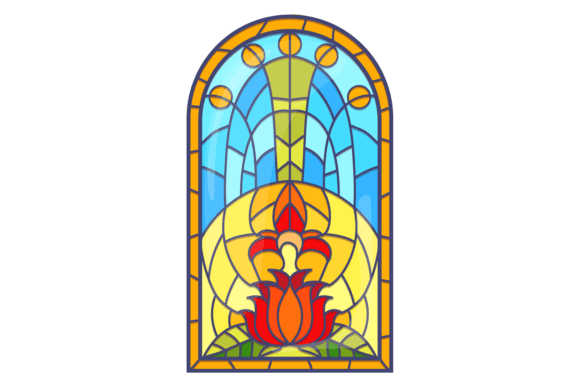
For designers, architects, and digital creators, the physical installation is only part of the story. Visualizing these elements before production is crucial. This is where digital assets become invaluable. High-quality resources, such as a Decorative gothic ornament isolated on white background EPS, JPG, SVG, transparent PNG, allow professionals to mock up designs accurately. These files provide the flexibility to test different color palettes and patterns against various interior backdrops without the cost of physical samples.
Using vector formats like EPS and SVG ensures that the intricate details of gothic or geometric ornaments remain sharp at any scale, whether for a small brochure or a large-scale presentation. Transparent PNGs are particularly useful for overlaying designs onto photos of actual window frames, giving clients a realistic preview of the final effect. This integration of digital planning and physical craftsmanship streamlines the decision-making process and ensures that the final Interior stained glass in window frame meets expectations.
Conclusion: A Lasting Investment in Beauty
Incorporating Interior Stained Glass in Window Frame is more than a renovation task; it is an act of curating your environment. It bridges the gap between the exterior world and your private sanctuary, transforming ordinary light into a dynamic display of color and shadow. Whether you are drawn to the intricate details of gothic revival or the clean lines of modern abstraction, there is a design that fits your needs.
By understanding the materials, considering the practical implications, and utilizing available design tools, you can make an informed decision that enhances both the value and the livability of your space. The result is a home that not only looks distinctive but feels uniquely yours, bathed in light that has been carefully shaped and colored to inspire and comfort. As you plan your next project, remember that the right glass does not just fill a window; it defines the room.