The Pink Hyacinth in Flower Pot: A Visual Anchor for Modern Spring Branding
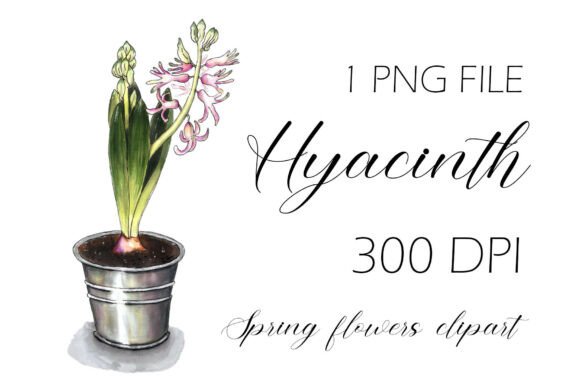
In the rapidly evolving landscape of digital and physical design, the search for authenticity has never been more critical. As brands and creators strive to connect with audiences on a human level, the Pink Hyacinth in Flower Pot has emerged as more than just a botanical subject; it is a versatile visual asset that bridges the gap between organic beauty and structured design. Whether utilized as a high-resolution photograph or a charming hand-drawn illustration, this specific motif offers a unique narrative potential that resonates deeply with contemporary consumer preferences.
The resurgence of interest in spring botanical artwork is not merely a seasonal trend but a reflection of a broader cultural shift toward nature-inspired aesthetics. The Pink Hyacinth in Flower Pot, with its delicate blooms and sturdy green leaves, encapsulates the essence of renewal and growth. For professionals ranging from graphic designers to marketing strategists, understanding how to leverage this imagery can significantly enhance the emotional impact of their projects.
Defining the Visual Language of the Pink Hyacinth
To appreciate the utility of this image, one must first understand what defines it visually and thematically. The Pink Hyacinth in Flower Pot typically features a cluster of vibrant pink flowers rising from a simple, often rustic or modern, container. The composition is balanced by lush green leaves that provide contrast and depth. When rendered as a hand-drawn illustration, the lines become softer, introducing an element of whimsy and craftsmanship that digital perfection often lacks.
This specific arrangement—the flower contained within a pot—suggests domesticity, care, and the bringing of nature indoors. It is a scene that feels accessible yet aspirational. Unlike wildflowers that imply untamed nature, the potted hyacinth represents a curated relationship with the environment. This nuance is crucial for creatives who need to convey messages of home, wellness, and personal sanctuary. The color palette, dominated by soft pinks and earthy greens, aligns perfectly with current trends favoring calming, non-intrusive hues that reduce visual fatigue in an overstimulated digital world.
Aligning with Broader Industry and Consumer Trends
The relevance of the Pink Hyacinth in Flower Pot extends far beyond simple decoration. It fits squarely into several converging industry movements. In the realm of lifestyle and wellness, there is a growing demand for content that promotes mental well-being and connection to the natural world. Consumers are increasingly drawn to brands that embody these values, and visual assets play a pivotal role in communicating this identity.
Furthermore, the "cottagecore" and "slow living" movements have kept botanical illustrations at the forefront of design discourse. However, the market is maturing. Audiences are moving away from generic clip art toward images that feel bespoke and story-driven. A hand-drawn illustration of a blooming hyacinth offers exactly that sense of individuality. It suggests that the brand behind the image takes the time to craft details, mirroring the patience required to grow a flower.
From a technology perspective, the rise of e-commerce and social media commerce requires visuals that stop the scroll. The vibrant pink of the hyacinth stands out against white backgrounds common in online stores, while the organic shapes break up the rigid grid layouts of many websites. This makes the Pink Hyacinth in Flower Pot an effective tool for increasing engagement rates and click-throughs in digital marketing campaigns.
Why Professionals Are Paying Attention
Creative directors and entrepreneurs are paying close attention to this motif because it solves multiple problems simultaneously. First, it provides immediate seasonal relevance without feeling dated. While Christmas imagery is strictly bound to December, spring themes like the hyacinth offer a longer window of applicability, covering everything from Valentine's Day through Mother's Day and into early summer.
Secondly, the versatility of the image allows for cross-platform consistency. A single high-quality asset can be adapted for various mediums. For instance, a marketer can use a vector version of the hand-drawn illustration for a website header, a cropped version for Instagram stories, and a printed version for packaging labels. This adaptability streamlines workflows and ensures brand cohesion across different touchpoints.
Moreover, the psychological impact of the color pink cannot be overstated. In color psychology, pink is associated with compassion, nurturing, and warmth. When paired with the symbolism of the hyacinth—which historically represents sincerity and constancy—the resulting image conveys a powerful message of reliable care. This is particularly valuable for industries such as healthcare, beauty, and education, where trust and empathy are paramount.
Changing Needs and Workflows in Creative Production
The way creators work has shifted dramatically in recent years. The expectation for speed has increased, yet the demand for quality has risen even higher. Stock photography often fails to meet this dual requirement, offering either generic images that lack soul or expensive custom shoots that strain budgets. The hand-drawn illustration of a pink hyacinth growing in a flower pot occupies a sweet spot in this spectrum. It offers the uniqueness of custom art with the efficiency of a digital asset.
Freelancers and small business owners, in particular, benefit from this type of resource. They often lack the budget for extensive photo shoots but require professional-grade imagery to compete with larger corporations. By integrating a well-executed botanical illustration into their branding, they can achieve a polished look that signals professionalism and attention to detail.
Additionally, the shift towards sustainable and eco-friendly branding has influenced design choices. Digital illustrations eliminate the waste associated with physical photoshoots, and when printed, they can be produced using eco-friendly inks and recycled papers. The subject matter itself—a plant in a pot—subconsciously reinforces a brand's commitment to sustainability and environmental stewardship.
Practical Applications Across Industries
The utility of the Pink Hyacinth in Flower Pot is best understood through practical application. Let us explore how different sectors are leveraging this imagery to meet their specific goals.
- Greeting Cards and Stationery: The intimate scale of a potted plant makes it ideal for greeting cards. It evokes a sense of personal gift-giving. Designers can pair the illustration with heartfelt typography to create cards for birthdays, get-well-soon wishes, or simply to say "thinking of you."
- Packaging Design: For product packaging, especially in the cosmetics and food sectors, this image adds a layer of premium appeal. A skincare brand might use the hyacinth to suggest natural ingredients and gentle formulas, while a bakery could use it to imply freshness and homemade quality.
- Digital Stickers and Social Media Assets: In the digital space, stickers featuring the Pink Hyacinth in Flower Pot allow users to personalize their content. Brands can release these as downloadable assets to encourage user-generated content and community building.
- Interior Decor Prints: Home decor continues to be a booming market. Large-scale prints of spring botanical artwork transform living spaces, bringing a touch of the outdoors inside. The simplicity of the composition ensures it fits into various interior styles, from minimalist to bohemian.
Connecting to Larger Developments in Design
Looking forward, the integration of such specific botanical motifs points to a larger development in the design world: the move toward hyper-contextualized storytelling. Generic stock images are losing their effectiveness as audiences become more sophisticated. The future belongs to imagery that tells a specific story and evokes a precise emotion. The Pink Hyacinth in Flower Pot does exactly that. It tells a story of growth, care, and the quiet joy of watching something bloom.
Furthermore, as artificial intelligence begins to generate vast amounts of content, the value of human-crafted elements like hand-drawn illustrations will likely increase. The slight imperfections and unique strokes of a hand-drawn piece signal human involvement, which is becoming a premium attribute in a digital-first economy. Creators who prioritize these human touches will find themselves better positioned to capture the attention of discerning consumers.
Ultimately, the Pink Hyacinth in Flower Pot is not just an image; it is a strategic asset. It aligns with the desire for authenticity, supports diverse marketing needs, and adapts seamlessly to changing workflows. For professionals looking to infuse their projects with life, color, and meaning, this botanical masterpiece offers a timeless solution that continues to resonate in a fast-paced world.