Retro Charm Typography Design: Reviving Nostalgia with Modern Vector Art
In the ever-evolving landscape of graphic design, there is a persistent and powerful pull toward the past. Designers and brand creators are increasingly looking for ways to infuse their work with warmth, authenticity, and a sense of human connection that digital minimalism often lacks. This desire has given rise to a specific aesthetic trend known as Retro Charm Typography Design. This style merges the bold, high-contrast lettering of vintage signage with playful vector art features, creating a visual language that feels both timeless and immediately engaging.
For adults seeking practical solutions in branding, marketing, or personal creative projects, understanding how to leverage this style can be transformative. It is not merely about making things look "old"; it is about utilizing specific design elements—stylized lettering connected by chains, adorned with charm symbols like hearts, stars, and smiley faces—to evoke emotion and capture attention in a crowded digital space.
The Essence of Retro Charm Typography
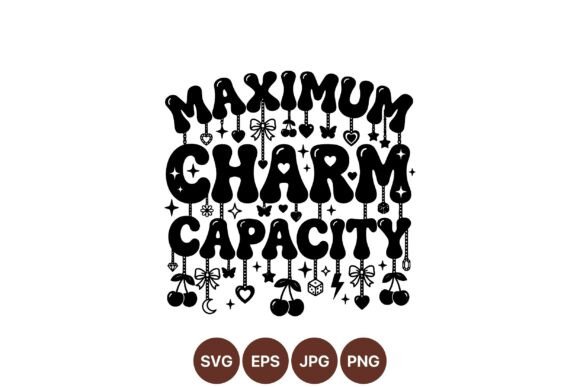
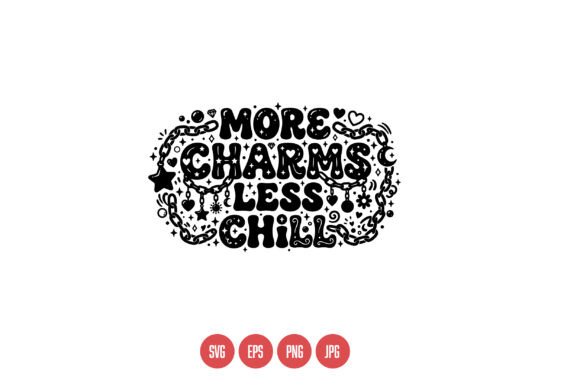
Retro Charm Typography Design is more than a font choice; it is a comprehensive design system rooted in the decorative arts of the mid-to-late 20th century. At its core, this style relies on the interplay between structured, bold letterforms and whimsical, organic embellishments. The defining characteristic of this approach is the use of connecting elements, such as chains or ribbons, which physically link letters or words together. These connectors often dangle or hold symbolic charms—heart shapes representing love, stars denoting quality or magic, and smiley faces conveying joy.
This combination creates a decorative, fun design that stands in stark contrast to the sterile, grid-based layouts common in modern corporate identity. The result is artwork that possesses a distinct vintage vibe while maintaining the crispness required for contemporary media. By utilizing high-contrast colors and clean lines, the design ensures readability without sacrificing its playful nature. When executed correctly, Retro Charm Typography Design transforms simple text into a narrative element that tells a story of nostalgia, community, and optimism.
Addressing Common Design Challenges
Many creatives and business owners face significant hurdles when trying to establish a unique brand voice. One of the most prevalent challenges is the "digital fatigue" experienced by audiences bombarded with sleek, uniform, and impersonal graphics. In this environment, brands struggle to stand out or connect emotionally with their target demographic. Another common issue is the need for versatility; designers often require assets that look good on a small social media icon but also scale perfectly for a large billboard or t-shirt print without losing quality.
Furthermore, there is the challenge of balancing professionalism with personality. Many fear that incorporating playful elements like smiley faces or heart charms might make a brand appear unprofessional or childish. However, the solution lies in the execution of the typography itself. Retro Charm Typography Design addresses these needs by offering a middle ground. The structural integrity of the stylized lettering provides the necessary authority, while the charm symbols add the layer of approachability that fosters trust and engagement.
How This Style Solves Real-World Problems
Implementing Retro Charm Typography Design offers a direct solution to the problem of audience disengagement. The human brain is wired to recognize patterns and symbols quickly. Hearts, stars, and smileys are universal signifiers of positive emotion. When these are integrated into typography through chains and decorative links, they guide the viewer's eye across the message, increasing retention and recall.
Moreover, the technical specifications of modern retro designs solve the scalability issue. Unlike raster images that pixelate when enlarged, high-quality vector files ensure sharp results at any size. This means a logo designed with these principles can be applied to a business card, a website header, or a vehicle wrap with equal clarity. The high-contrast nature of the artwork ensures visibility across various backgrounds, from dark mode interfaces to bright outdoor signage.
For those concerned about the balance of tone, the key is context. A coffee shop using this style conveys warmth and community. A tech startup might use it to signal a user-friendly, non-intimidating product. The flexibility of the design allows different users to approach the topic differently based on their specific industry goals, adapting the level of playfulness to match their brand values.
Practical Applications and Outcomes
The utility of Retro Charm Typography Design extends across numerous sectors. In retail and fashion, this style is particularly effective for merchandise. T-shirts, tote bags, and posters featuring stylized lettering connected by chains with dangling charms create an instant appeal for consumers seeking vintage-inspired streetwear. The outcome is a product line that feels curated and authentic rather than mass-produced.
In the hospitality industry, cafes and bars utilize this aesthetic for menus and signage to create a welcoming atmosphere. The use of smiley faces and stars suggests a fun, relaxed environment where customers are encouraged to linger. For event planners, this typography is ideal for invitations and promotional materials for festivals, markets, and community gatherings, instantly communicating a celebratory mood.
Digital marketers also find value in these assets. Social media posts featuring high-contrast, vector-based typography perform well because they break through the scroll. The decorative elements act as visual anchors, stopping the user's eye and encouraging interaction. Whether used for Instagram stories, YouTube thumbnails, or blog headers, the consistent application of this style builds a recognizable and memorable brand identity.
Technical Considerations for Implementation
To fully realize the potential of this design style, one must consider the technical delivery of the assets. The hallmark of professional-grade Retro Charm Typography Design is the availability of versatile file formats. A robust download package should include a ZIP folder containing SVG, PNG, JPG, and EPS files. Each format serves a specific purpose in the workflow.
- SVG (Scalable Vector Graphics): Essential for web design and responsive interfaces, ensuring the artwork remains crisp on any screen resolution.
- EPS (Encapsulated PostScript): The standard for print production, allowing designers to edit paths and colors within professional software like Adobe Illustrator.
- PNG: Ideal for quick digital applications where transparency is needed, such as overlaying text on photos.
- JPG: Useful for general sharing and previewing where file size is a consideration.
The fact that the artwork is 100% vector ensures that the intricate details of the chains and charm symbols do not blur or degrade. This is crucial for maintaining the high-contrast aesthetic that defines the style. When implementing these designs, it is recommended to test them in both light and dark environments to verify that the contrast remains effective. Additionally, consider the color palette; while vintage vibes often suggest muted tones, high-contrast versions may utilize bold primaries or monochrome schemes to maximize impact.
Tailoring the Approach for Different Users
Different users will approach Retro Charm Typography Design with varying objectives. A freelance graphic designer might focus on the customization aspect, using the vector files to alter the chain links or swap out charm symbols to fit a client's specific brand guidelines. They will prioritize the EPS and SVG files for maximum editability.
In contrast, a small business owner might be less concerned with editing the vector paths and more focused on immediate application. They would likely utilize the PNG and JPG files to quickly update their social media profiles or print flyers for a local market. For them, the value lies in the ready-made aesthetic that saves time and resources while delivering a professional look.
Artists and illustrators might use these elements as foundational components in larger compositions, integrating the stylized lettering into hand-drawn scenes or mixed-media projects. Regardless of the user, the underlying principle remains the same: leveraging the emotional resonance of vintage aesthetics to create meaningful connections. By choosing high-quality, scalable assets, every user can ensure their final output is sharp, durable, and visually compelling.
Conclusion
Retro Charm Typography Design offers a powerful toolkit for anyone looking to inject personality and nostalgia into their visual communications. By combining stylized lettering with playful vector art features like hearts, stars, and smiley faces connected by chains, this style bridges the gap between vintage charm and modern functionality. It addresses the critical need for emotional connection in a digital world while solving practical issues regarding scalability and versatility.
Whether you are launching a new brand, refreshing an existing identity, or creating merchandise for your audience, the strategic use of these design elements can yield significant results. With access to high-quality vector files in multiple formats, you have the flexibility to implement this look anywhere, ensuring your message is delivered with clarity and character. Embracing this aesthetic is not just a design choice; it is a commitment to creating work that resonates, endures, and brings a smile to the faces of your audience.