Floral Bloom Inspirational Design: A Guide to Elegance and Versatility
In the realm of graphic design, few aesthetic approaches balance organic softness with structural clarity as effectively as Floral Bloom Inspirational Design. This specific style merges delicate botanical elements—such as blooming flowers, lush leaves, and fluttering butterflies—with high-contrast vector artwork to frame meaningful text. When executed in a black and white palette, the result is a timeless visual language that communicates peace, growth, and resilience without relying on color to convey emotion. For designers, content creators, and individuals seeking resources for personal or professional projects, understanding the nuances of this design approach is essential for making informed decisions about visual assets.
The core appeal of Floral Bloom Inspirational Design lies in its ability to elevate simple quotes into sophisticated statements. By utilizing a decorative yet elegant style, these designs transform static text into a focal point that invites contemplation. The inclusion of natural motifs creates a peaceful mood, making the artwork particularly suitable for spaces dedicated to reflection, wellness, or education. However, like any design category, it presents specific strengths and tradeoffs that must be weighed against other stylistic options before committing to a project.
Defining the Distinctive Elements of Floral Bloom Inspirational Design
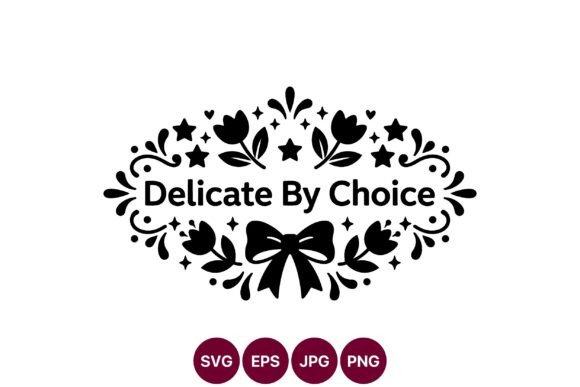
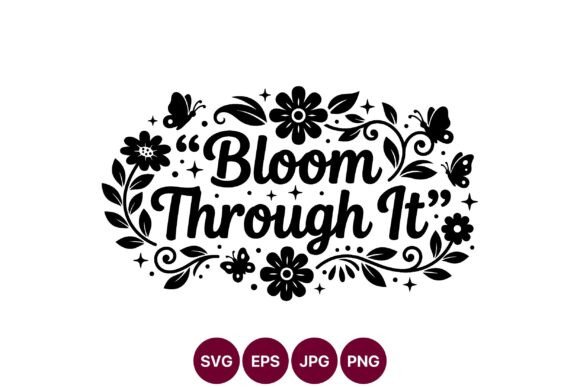
To evaluate whether this style fits a specific need, one must first understand its constituent parts. Unlike generic clip art or raster-based illustrations, high-quality Floral Bloom Inspirational Design relies heavily on vector technology. This technical foundation ensures that every curve of a petal, the vein of a leaf, and the wing of a butterfly remains crisp regardless of how much the image is scaled. The black and white execution further distinguishes the work by removing the distraction of color, forcing the viewer to focus on line weight, contrast, and composition.
The "inspirational" aspect is not merely thematic; it is structural. In these designs, the floral elements act as a framing device rather than just background noise. They guide the eye toward the central quote, creating a hierarchy that enhances readability while adding artistic flair. The peaceful mood is achieved through the careful selection of botanical subjects. Soft, rounded blooms suggest gentleness, while structured leaves imply stability. Butterflies, often included in these compositions, add a dynamic element of transformation and lightness, preventing the design from feeling too static or heavy.
Furthermore, the availability of these designs in multiple formats—specifically SVG, PNG, JPG, and EPS within a downloadable ZIP folder—addresses a critical practical need. While the visual style defines the aesthetic, the file structure defines the utility. The presence of editable vector files (SVG and EPS) allows for customization, whereas raster formats (PNG and JPG) offer immediate compatibility with web platforms and social media. This dual capability makes Floral Bloom Inspirational Design a versatile resource for varied applications.
Comparing Vector Artwork to Raster Alternatives
When selecting visual assets, a primary decision point is often the choice between vector and raster graphics. Floral Bloom Inspirational Design, when provided as 100% vector SVG and EPS files, offers distinct advantages over standard raster images found in many stock libraries. Raster images, such as those created in Photoshop or saved only as JPEGs, are composed of pixels. When enlarged beyond their original resolution, they become pixelated and blurry, losing the sharpness required for professional print or large-format displays.
In contrast, vector artwork is mathematically defined. This means a floral border designed for a small business card can be expanded to cover a billboard without any loss of quality. For professionals who require scalability, the vector nature of this design is non-negotiable. If a project involves printing on varying substrates—from fine stationery to large vinyl banners—the high-contrast vector lines ensure that the intricate details of the leaves and butterflies remain legible and precise.
However, raster alternatives do have their place. If a designer needs complex textures, gradients, or photorealistic lighting effects that vectors cannot easily replicate, a purely vector approach might feel too flat. Yet, for the specific goal of creating clean, elegant, and inspirational frames, the stark clarity of black and white vector art often outperforms complex raster imagery. It provides a level of sophistication that is difficult to achieve with lower-resolution bitmap files. The tradeoff is that vector files require compatible software for editing, whereas raster images are universally viewable in basic image viewers.
Evaluating Use Cases and Best-Fit Situations
Determining when Floral Bloom Inspirational Design is the right choice requires analyzing the intended context. This style excels in environments where clarity and elegance are paramount. It is an ideal fit for greeting cards, wedding invitations, and memorial programs where the message needs to be framed with dignity and grace. The black and white scheme ensures that the text remains the hero, while the floral elements provide a supportive, harmonious atmosphere.
In digital marketing and social media, these designs serve as effective headers or quote cards. The high contrast ensures visibility even on smaller mobile screens, and the scalable nature of the SVG format guarantees that the image loads quickly without sacrificing quality. For interior design enthusiasts, these artworks translate well into wall decals, framed prints, or typography posters. The peaceful mood they evoke makes them suitable for home offices, meditation rooms, or waiting areas in healthcare facilities.
Conversely, there are scenarios where this specific design may not be the optimal solution. If a brand identity relies heavily on vibrant, saturated colors to convey energy or excitement, a monochromatic floral design might feel too subdued. Similarly, for projects requiring a modern, minimalist aesthetic devoid of ornamentation, the decorative nature of the floral framing could introduce unnecessary visual clutter. In cases where the audience expects a tech-forward or industrial look, the organic curves of flowers and butterflies might clash with the desired tone.
Practical Considerations for File Formats and Workflow
A significant factor in evaluating Floral Bloom Inspirational Design is the delivery format. A comprehensive download package typically includes a ZIP folder containing SVG, PNG, JPG, and EPS files. Each format serves a different stage of the workflow, and understanding their utility helps in maximizing the value of the asset.
- SVG (Scalable Vector Graphics): Best for web use and responsive design. These files are lightweight and scale infinitely, making them perfect for websites and apps.
- EPS (Encapsulated PostScript): The industry standard for professional print production. This format retains all vector data and is compatible with major desktop publishing software like Adobe Illustrator and InDesign.
- PNG (Portable Network Graphics): Ideal for digital overlays where transparency is needed. High-resolution PNGs allow users to place the artwork over colored backgrounds without a white box surrounding it.
- JPG (Joint Photographic Experts Group): Useful for quick sharing, email attachments, or platforms that do not support vector formats. While compressed, high-quality JPGs from a vector source retain excellent detail.
Having access to all these formats reduces friction in the creative process. It eliminates the need for third-party conversion tools, which can sometimes degrade image quality or alter the vector paths. For teams working across different departments—such as a marketing team needing web-ready PNGs and a print team needing EPS files—a single multi-format download streamlines collaboration.
Weighing Strengths Against Limitations
No design resource is without limitations, and a balanced evaluation of Floral Bloom Inspirational Design requires acknowledging potential drawbacks. One limitation is the reliance on the black and white palette. While this offers versatility for coloring later, it requires additional effort if the final output demands a specific color scheme. Users must be comfortable with applying color fills to vector paths or accepting the monochromatic aesthetic.
Additionally, the decorative style, while elegant, may not suit ultra-modern or brutalist design trends. The ornamental nature of the floral framing can feel traditional or vintage. If a project aims for a stark, futuristic, or abstract look, this style might feel incongruous. Decision-makers should consider whether the "peaceful mood" aligns with the emotional response they wish to elicit from their audience. In high-energy contexts, such as sports promotions or urgent sales campaigns, the serene nature of this design might dilute the intended impact.
Despite these limitations, the strengths often outweigh the constraints for a wide range of applications. The combination of high-contrast visuals, scalable vector technology, and a universally appealing theme of growth and inspiration makes it a robust choice. The ability to customize the quote and adjust the layout within vector software adds a layer of flexibility that pre-made raster images lack.
Making an Informed Decision
Ultimately, the decision to utilize Floral Bloom Inspirational Design depends on the alignment between the project's goals and the design's inherent characteristics. For those seeking a resource that combines technical precision with artistic grace, this style offers a compelling solution. It bridges the gap between functional typography and decorative art, providing a framework that enhances the message rather than competing with it.
Before proceeding, assess the scalability requirements, the desired emotional tone, and the technical capabilities of your team. If the project demands sharp results at any size, a peaceful and elegant presentation, and the flexibility to adapt across various media, then this design approach is likely the superior option. By carefully considering these factors, you can ensure that the chosen visual assets not only meet aesthetic standards but also serve the strategic objectives of your project effectively.