Dreamy Bohemian Jellyfish Illustration: A Guide to Style, Application, and Alternatives
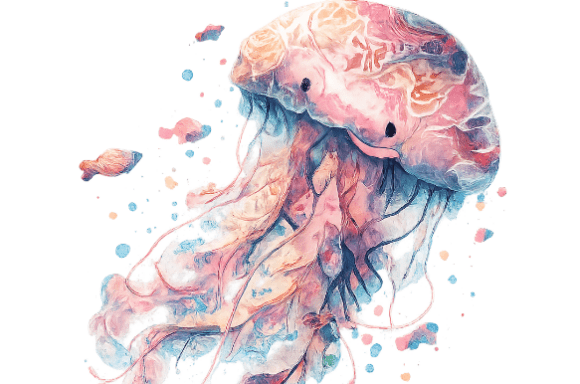
The aesthetic of a Dreamy Bohemian Jellyfish Illustration has emerged as a distinct visual language within the broader scope of marine art. Unlike traditional scientific diagrams or hyper-realistic photography, this style prioritizes mood, texture, and emotional resonance over anatomical precision. It is characterized by flowing, organic shapes that mimic the drift of jellyfish tentacles, rendered with soft watercolor textures and an ethereal color palette. For designers, artists, and interior decorators evaluating visual assets for projects involving ocean life, fantasy themes, or creative aquatic artwork, understanding the specific attributes of this style is essential for making informed decisions.
This approach combines delicate colors, decorative patterns, and floating elements to create a magical underwater atmosphere. However, its suitability depends heavily on the intended context. While it excels in evoking a sense of wonder and tranquility, it may not serve every functional design requirement. This analysis explores the defining characteristics of the Dreamy Bohemian Jellyfish Illustration, compares it with alternative artistic approaches, and outlines the scenarios where it offers the most value.
Defining the Aesthetic: Texture, Form, and Color
To evaluate whether a Dreamy Bohemian Jellyfish Illustration fits a specific project, one must first understand its core components. The style is defined by a synthesis of two distinct influences: the fluidity of marine biology and the free-spirited nature of bohemian design. The result is an image that feels less like a captured moment and more like a memory or a dream.
Watercolor Textures and Soft Edges
The foundation of this style lies in its rendering technique. Whether created digitally or with traditional media, the illustrations emulate the bleed and transparency of watercolor. Hard lines are rare; instead, edges dissolve into the background, creating a seamless integration between the subject and the environment. This softness reduces visual noise, making the artwork particularly effective for backgrounds, wallpaper, or textile prints where a non-intrusive presence is desired.
Flowing Shapes and Decorative Patterns
While the base form references real jellyfish species—such as the moon jelly or sea nettle—the anatomy is often stylized. Tentacles elongate into rhythmic, calligraphic strokes, and bells may incorporate intricate mandala-like patterns or geometric motifs common in bohemian decor. These decorative elements add complexity without sacrificing the overall lightness of the piece. The inclusion of floating particles, bubbles, or abstract flora enhances the sensation of weightlessness.
The Color Palette
Color selection is critical to achieving the "dreamy" quality. Palettes typically avoid high-contrast neons or deep, ominous ocean blues. Instead, they favor pastels, muted teals, dusty pinks, lavender, and warm golds. These hues work together to soften the viewer's gaze, promoting a calming effect that aligns with wellness and relaxation themes.
Comparative Analysis: How It Stacks Against Other Styles
When selecting artwork for a brand, home, or publication, the Dreamy Bohemian Jellyfish Illustration should be weighed against other prevalent styles in marine art. Each alternative offers different strengths and tradeoffs regarding clarity, versatility, and emotional impact.
Realism vs. Stylization
Traditional realistic marine illustration focuses on accurate proportions, lighting, and biological detail. This approach is superior for educational materials, scientific publications, or documentaries where factual accuracy is paramount. In contrast, the Dreamy Bohemian Jellyfish Illustration sacrifices accuracy for atmosphere. If a project requires viewers to identify specific species or understand marine ecosystems, realism is the necessary choice. However, if the goal is to evoke a feeling of escape or fantasy, the stylized bohemian approach is far more effective.
Boho-Chic vs. Minimalist Vector Art
Minimalist vector art utilizes clean lines, flat colors, and simplified geometry. This style is highly scalable and ideal for modern branding, app icons, or corporate identities requiring crisp reproduction at small sizes. The Dreamy Bohemian Jellyfish Illustration, with its textured gradients and complex details, can lose definition when scaled down significantly. While minimalist art conveys efficiency and modernity, the bohemian style conveys warmth, craftsmanship, and nostalgia. The tradeoff is between technical scalability and textural richness.
Illustration vs. Photography
Photography captures the actual texture of water and the bioluminescence of real jellyfish. It offers immediate authenticity but is limited by the availability of subjects and lighting conditions. An illustration allows for the creation of impossible scenes, combining colors and forms that do not exist in nature. For themes related to fantasy sea creatures, the illustrative approach provides unlimited creative freedom that photography cannot match.
Strengths, Tradeoffs, and Decision Factors
Choosing the right visual asset involves balancing aesthetic desires with practical constraints. The Dreamy Bohemian Jellyfish Illustration presents a unique set of advantages and limitations that influence its best-fit situations.
- Emotional Resonance: The primary strength of this style is its ability to trigger positive emotional responses. The soft textures and pastel tones are psychologically linked to calmness and creativity, making them excellent for wellness brands, children's book covers, or meditation apps.
- Versatility in Decor: In interior design, these illustrations bridge the gap between coastal themes and eclectic bohemian interiors. They fit well in spaces that utilize natural materials like rattan, linen, and wood, adding a splash of color without overwhelming the room.
- Licensing and Customization: As digital assets, these illustrations are often easier to license and customize than commissioned photography. Colors can be shifted, and elements rearranged to fit specific brand guidelines while retaining the core aesthetic.
- Limitations in Legibility: Due to the soft focus and blending techniques, text overlaid directly on these images may suffer from readability issues. Designers often need to add solid overlays or choose high-contrast areas carefully.
- Niche Appeal: The specific "bohemian" tag implies a certain demographic appeal. It may not resonate with audiences seeking industrial, futuristic, or strictly professional aesthetics.
Best-Fit Scenarios and Strategic Applications
Understanding where the Dreamy Bohemian Jellyfish Illustration thrives helps prevent misapplication. It is not a universal solution but a specialized tool for specific narratives.
Wellness and Lifestyle Branding
Brands focused on yoga, aromatherapy, mental health, or sustainable living benefit greatly from this style. The imagery supports a message of harmony with nature and inner peace. The whimsical nature of the art suggests that the brand values creativity and imagination alongside functionality.
Children's Educational and Entertainment Materials
For young readers, the fantastical elements make learning about marine life engaging. The soft colors are gentle on the eyes, and the decorative patterns encourage exploration. Unlike stark educational diagrams, these illustrations invite curiosity through beauty rather than strict data.
Textile and Surface Pattern Design
The flowing shapes of the jellyfish tentacles translate exceptionally well into repeating patterns for fabrics, wrapping paper, and stationery. The organic movement creates a dynamic rhythm that feels hand-crafted, adding perceived value to mass-produced goods.
When to Consider Alternative Options
Despite its charm, there are clear instances where the Dreamy Bohemian Jellyfish Illustration is not the optimal choice. Recognizing these scenarios is crucial for maintaining professional integrity and meeting project goals.
If the objective is to convey urgency, danger, or the harsh realities of ocean pollution, the dreamy aesthetic may feel inappropriate or even dismissive. Serious environmental campaigns often require stark, high-contrast imagery to grab attention and provoke action. Similarly, in technical fields such as marine engineering or biological research, the ambiguity of the bohemian style could lead to confusion or misinterpretation.
Furthermore, if the target audience is primarily male-skewing towards 40–60 years old in a corporate setting, the whimsical and pastel-heavy nature of the art might be perceived as too juvenile or frivolous. In such cases, a more subdued, realistic, or abstract geometric interpretation of marine themes would likely perform better.
Conclusion: Making an Informed Visual Choice
The Dreamy Bohemian Jellyfish Illustration occupies a unique space in the world of aquatic art, offering a blend of fantasy, texture, and serenity. Its value lies not in its ability to document reality, but in its capacity to inspire emotion and create a cohesive atmospheric experience. By comparing its soft, decorative qualities against the precision of realism and the clarity of minimalism, decision-makers can determine if this style aligns with their specific needs.
Ultimately, the choice depends on the narrative you wish to tell. If your goal is to transport an audience to a magical underwater realm, to soften a brand's edge, or to celebrate the whimsical beauty of marine nature, this style is a powerful asset. However, for projects demanding factual rigor, high legibility, or a serious tone, exploring alternatives is the prudent path. Evaluating these factors ensures that the final visual output resonates authentically with the intended audience.